 Where does literacy belong? Prior
to this course, I imagined literacy as something that only takes place in
English Language Arts classrooms. One of the reasons I chose to be a Middle
Grades Education major over Early Childhood Education is because I thought the
responsibility of teaching someone how to read was too great for someone like
me. Although I will not necessarily be teaching students “reading,” I have
learned that literacy is an all-encompassing attribute of education that needs
to be incorporated in all subject areas in school. It extends beyond literature
as a subject and even the school walls. It is everywhere. Whether I asked for it
or not, teaching literacy is the responsibility of every teacher. Understanding
what literacy is and how to use it is a vital skill for students to be
successful in the classroom and in the world.
Where does literacy belong? Prior
to this course, I imagined literacy as something that only takes place in
English Language Arts classrooms. One of the reasons I chose to be a Middle
Grades Education major over Early Childhood Education is because I thought the
responsibility of teaching someone how to read was too great for someone like
me. Although I will not necessarily be teaching students “reading,” I have
learned that literacy is an all-encompassing attribute of education that needs
to be incorporated in all subject areas in school. It extends beyond literature
as a subject and even the school walls. It is everywhere. Whether I asked for it
or not, teaching literacy is the responsibility of every teacher. Understanding
what literacy is and how to use it is a vital skill for students to be
successful in the classroom and in the world.
In math, one of the main struggles
I had as a student was not being able to understand what a problem was asking.
It wasn’t that I didn’t have the procedural knowledge to complete the equation
or couldn’t use my calculator correctly; it was that I misinterpreted what was
being asked of me. What I didn’t realize as a grade school math student, is
that I lacked the necessary math literacy to be successful. Understanding
vocabulary in math was a big challenge for me. I wasn’t able to identify key
words or pick up on cues questions created. How was I supposed to express my
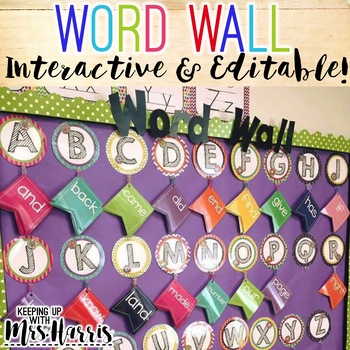
answer as an integer when I didn’t even know what an integer was? In the strategy lesson assignment from this
semester, I learned from Katie, Calli, and Gabie how to use a word wall to
incorporate math vocabulary as a literacy skill in the classroom. Using
something like a word wall in the classroom is a great way to remind students
of math vocabulary necessary to be successful. It is a subtle and easy way to
remind students of important vocabulary words. Prior to this course, I did not
see the connection between math and literacy. By exploring my own journey in
math both as a student and a future teacher candidate, I realized how critical
literacy is to math education. If students cannot understand what is being
asked of them, we as teachers cannot expect them to be successful. This course
showed me that the role of the teacher of any subject area is to help their
students be successful. With this in mind as an established goal for teaching,
creating a classroom with literacy strategies in math is not an obligation but
an opportunity to be a part of their academic journey.

This course taught me how to incorporate literacy in classrooms of all subject areas through designated classroom activities. One activity that I enjoyed in particular was our book club on I am Malala by Malala Yousafzai. Reading an interesting memoir is a nontraditional way to learn Social Studies subject matter, while improving my existing literacy skills. I enjoyed the book clubs because they gave us the opportunity to experience the subject matter through a real-world example that was easy to connect to. It helps students discover historical empathy. Hinton, Suh, Colon-Brown, and O’Hearn describe in their article “Historical Fiction in English and Social Studies Classrooms: Is It a Natural Marriage?” that historical empathy is built upon contextualizing the time period (23). By experiencing thoughts and emotions of a character from a particular time period and setting, students can create their own understanding of the content, making it more meaningful and long-lasting. While reading the text itself is helpful for students to engage in literacy, the book club is designed to have specific roles that each focus on different literacy skills that enrich their understanding of the text. For example, the “Questioner” was in charge of generating questions during the reading section for the group. These questions help the reader guide themselves through the text and focus, while also giving them the opportunity to search for answers to their own questions throughout their reading. The other roles include the connecter, the illustrator, the passage master, etc. all focused on the different literacy skills their title implies. By using the roles outlined in Subjects Matter, the group members act as a jigsaw to create a complete understanding of the text using a variety of literacy components: questioning, visualizing, comprehending, inferring, and making connections. Participating in a book club myself helped me monitor my own reading abilities. Book clubs helped me become more aware of my own metacognition and its connection to literacy.
Literacy belongs in all subject
areas and should be taught by all teachers. This course exposed me to the
importance of literacy in education, but also in life. Giving students the
proper tools they need to succeed exceeds their time in the public school
system. Reading, writing, and comprehension are necessary skills that are
required in multiple facets of life. Although it is important that students are
successful in our content areas, it is even more important that students can
use the tools we equip them with as teachers to use past their time in school.
Because literacy is enduring, it needs to be an essential component of our
future middle school classrooms.

Word
Count: 876
Assignment: 20/20
ReplyDeleteCoursework: 80/80
Final Grade 100/100
Heather, you wrote, "I learned from Katie, Calli, and Gabie how to use a word wall to incorporate math vocabulary as a literacy skill in the classroom." I'm glad that you learned from your classmates. Often teachers end up on a pedagogical island in their classrooms. Keep seeking communities from whom to learn how to teach for your entire career.
You also wrote, " I enjoyed the book clubs because they gave us the opportunity to experience the subject matter through a real-world example that was easy to connect to. It helps students discover historical empathy." Yes! This is about building up and building upon schema. Find how to relate concepts from your class to your students' lives, and you will create life-long lessons, not just high test scores.